Book Free Demo
Book Free Demo
Part of the Camera Health Monitoring Suite

HDD Failure Monitoring for CCTV & NVR Storage

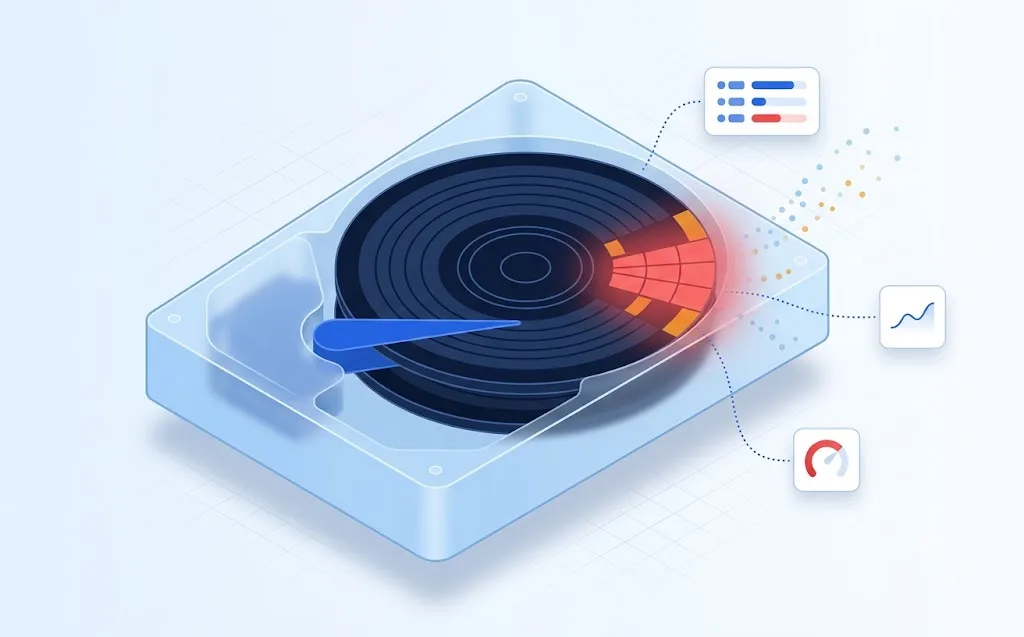
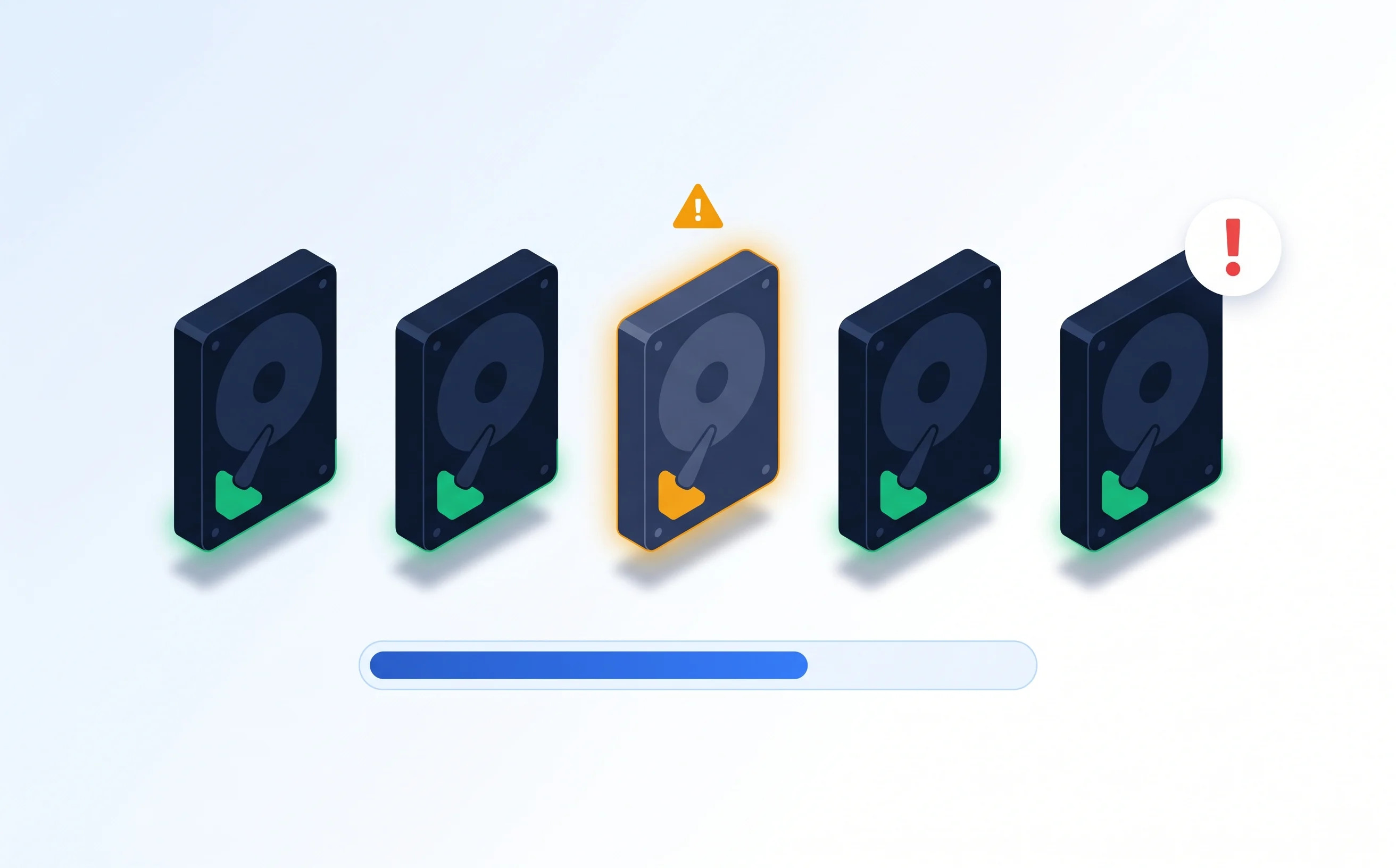
Your NVR dashboard shows green. Cameras are streaming. Everything looks normal. But inside one of your NVRs, a hard drive's SMART data shows hundreds of reallocated sectors and a rising temperature — and on current trends it has only weeks before it stops writing reliable video. Without HDD failure monitoring, you'll discover this only when someone needs footage that doesn't exist.

PredictiveFailure detection
SMART + RAIDMonitoring
500+Deployments (verify)
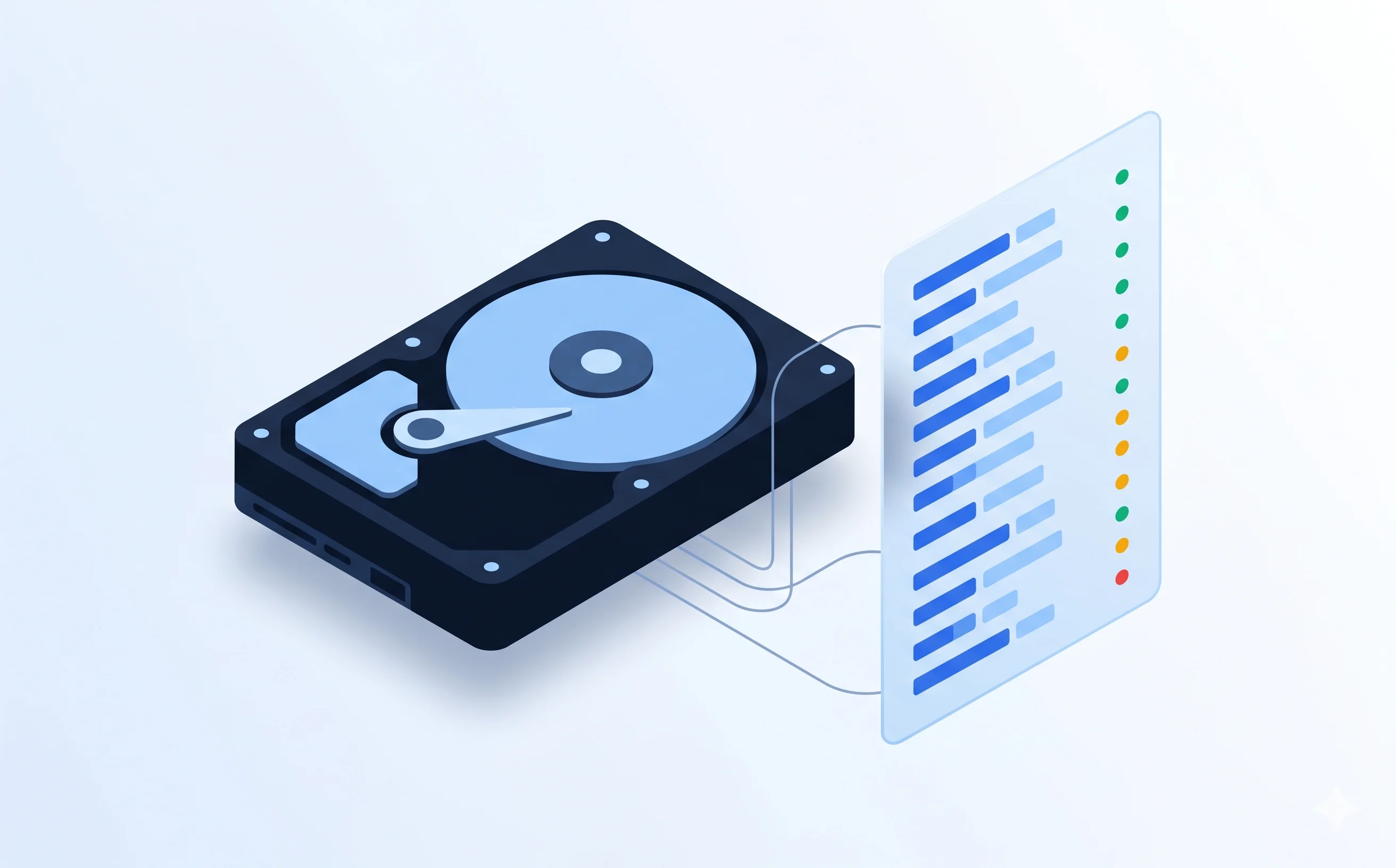
Hero image — HDD fleet dashboard
(SMART health, temp, ward/site, risk-ranked drives)
Tentovision HDD failure monitoring dashboard showing SMART health and temperature for hard drives across an NVR fleet
SMART Attribute Tracking
RAID Rebuild Alerts
Fleet-Wide Planning
Vendor-Agnostic
VAPT Aligned

Trusted by leading enterprises across India

The Problem

Why Surveillance Hard Drives Fail Without Warning

The cruelty of disk failure in CCTV is that it's silent — the recorder keeps reporting "recording" right up until someone needs footage that isn't there. (Scenarios below are illustrative examples; actual values vary by drive, workload, and environment.)

The drive writing garbage

A 4 TB surveillance drive has run 24/7 for 3.5 years, past its rated annual write workload. Its write-error rate is climbing, but the NVR still shows "recording" — it's silently writing corrupt data. When you pull footage for an investigation, the files won't play.

The RAID array nobody watched

One drive in a RAID-5 array failed last month and rebuilt onto the rest — but nobody noticed, and now a second drive shows bad sectors. If it fails before the first is replaced, the whole array is gone — weeks of footage across dozens of cameras, unrecoverable.

The drive that's cooking

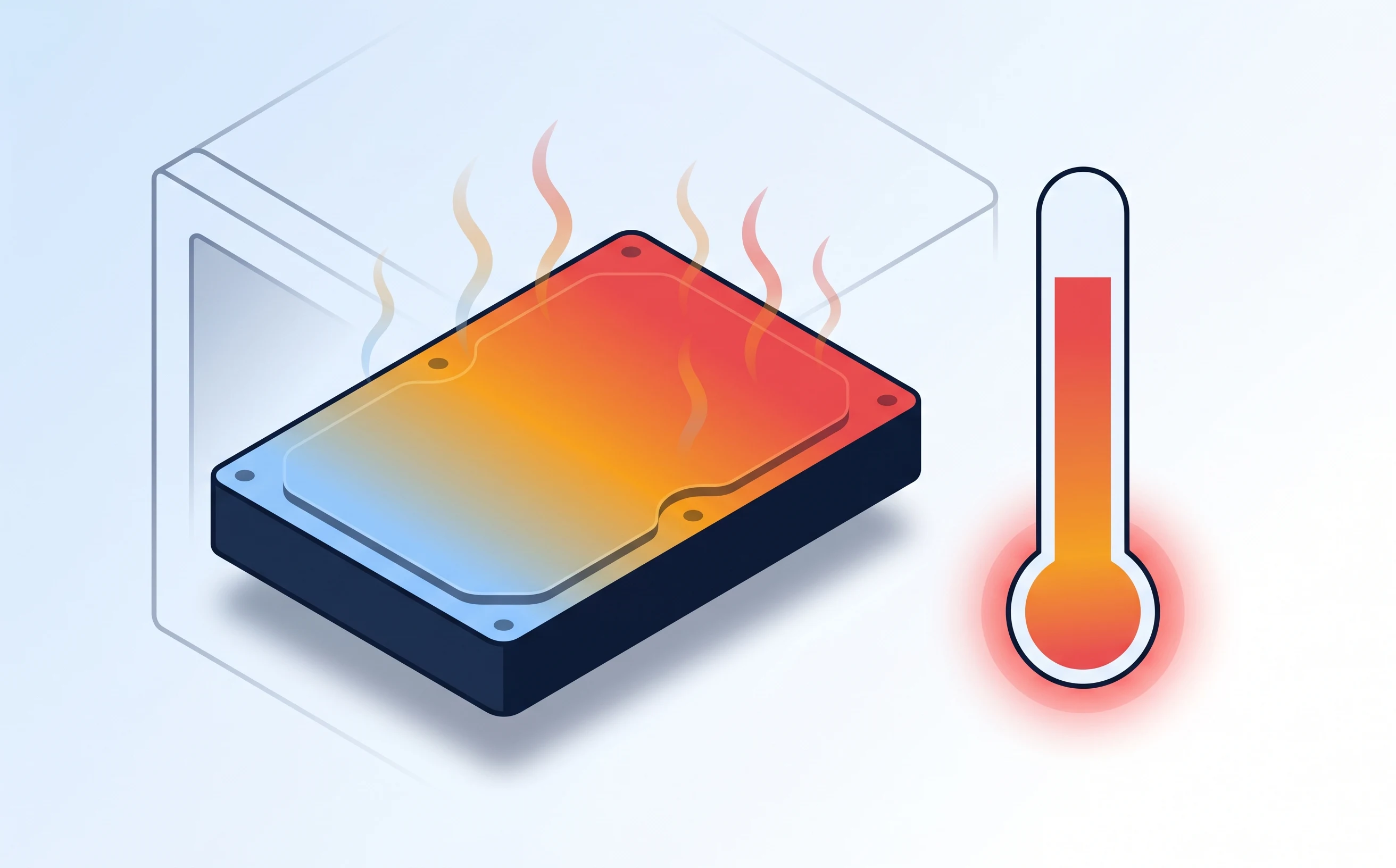
Your NVR room in Chennai hits 42°C in May. The drives inside run near 58°C, above the ~55°C safety threshold, and thermal throttling has begun. Recording slows, frames drop — but nobody is watching disk temperature.

The investigation that finds nothing

An incident occurred two weeks ago. Police need footage. You pull the storage timeline — and there's a 9-day gap where the drive silently stopped writing properly. The recorder was online, the camera was streaming, but the disk had quietly failed. There is no footage.

Definition

What is HDD Failure Monitoring for CCTV?

HDD failure monitoring for CCTV is a predictive disk-level diagnostic system that continuously tracks the health of the hard drives inside NVRs and DVRs — analysing SMART attributes, bad-sector growth, temperature trends, RAID status, and storage capacity — to detect drives approaching failure and alert administrators before surveillance footage is lost.

It is deliberately a different layer from device monitoring. NVR health monitoring tracks whether the recorder itself is online and performing; HDD failure monitoring goes deeper, into the physical disk inside that recorder.

Your NVR can be online, recording, and fully functional while the hard drive inside it is silently dying — and that's the blind spot this closes. Both sit under the broader camera health monitoring suite.

The engine: SMART, weighted for surveillance

The engine is SMART — Self-Monitoring, Analysis and Reporting Technology — exposing indicators like reallocated sector count, pending sectors, spin-retry count, temperature, and write-error rate. On a drive writing video around the clock, these drift as the drive wears; reading and trending them turns "the disk failed" into "this disk will likely fail soon." Because SMART is probabilistic, Tentovision treats it as early warning that buys time to act, not a guaranteed prediction of the exact failure moment.

What this is not (anti-cannibalization)

This is the disk layer. Camera offline detection is covered by Remote CCTV Health Monitoring. NVR device telemetry — CPU, RAM, firmware, heartbeat — is covered by NVR Health Monitoring. HDD Failure Monitoring is the dedicated layer for the physical storage media itself.

How it complements OEM firmware

Seagate's SkyHawk Health Management (SHM) and Western Digital's device-analytics features are per-drive, single-vendor firmware features aimed at OEMs — not centralised end-user software. Tentovision complements them: it reads the standard SMART attributes those drives expose through the NVR, and presents them vendor-agnostically across your whole estate — Seagate, WD, Toshiba, and anything else with a SMART-capable interface.

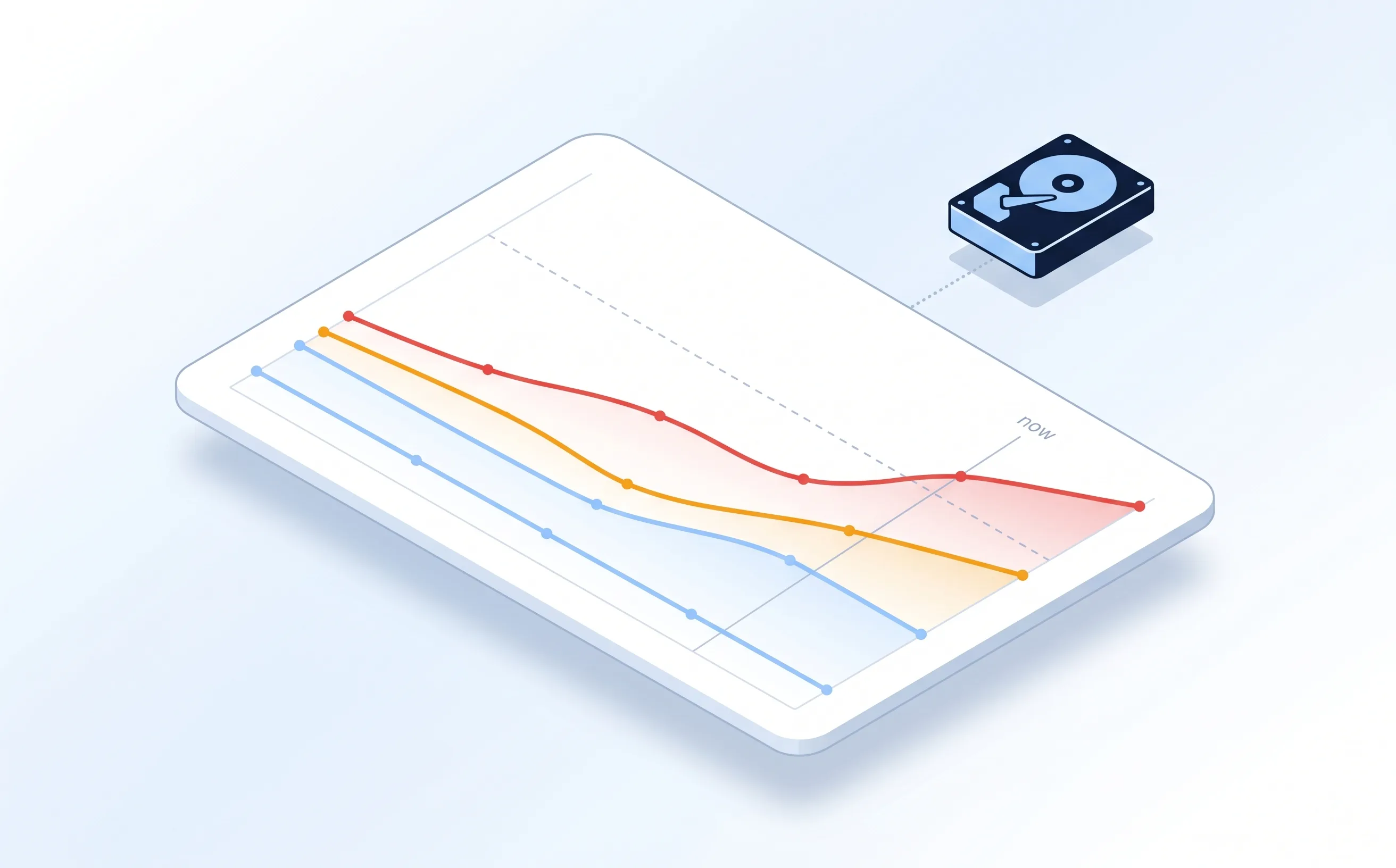
Diagram — SMART attribute trends
(sector growth, temp, write-error rate)
SMART attribute trend analysis for a surveillance hard drive inside an NVR showing rising reallocated sectors
Capabilities

Six Disk-Health Capabilities

Six capabilities make disk failure visible early, across an entire fleet — the layer the recorder's dashboard and the drive's OEM firmware don't give an end-user.

SMART trend graph
Reallocated sectors rising over weeks
Tentovision tracking SMART attribute trends — reallocated sector count rising on a surveillance drive
Detection · 01

SMART Attribute Monitoring

SMART monitoring for NVR drives is the foundation — and the rate of change matters more than any single absolute value. Tentovision tracks 15+ attributes per drive across SATA and SAS: write-error rate, reallocated sector count, current pending sector count, spin-retry, command timeout, temperature, power-on hours. Each attribute is trended over time so a slowly drifting value triggers an alert long before it crosses a hard threshold. Customisable per-attribute thresholds per drive model.

Camera Health
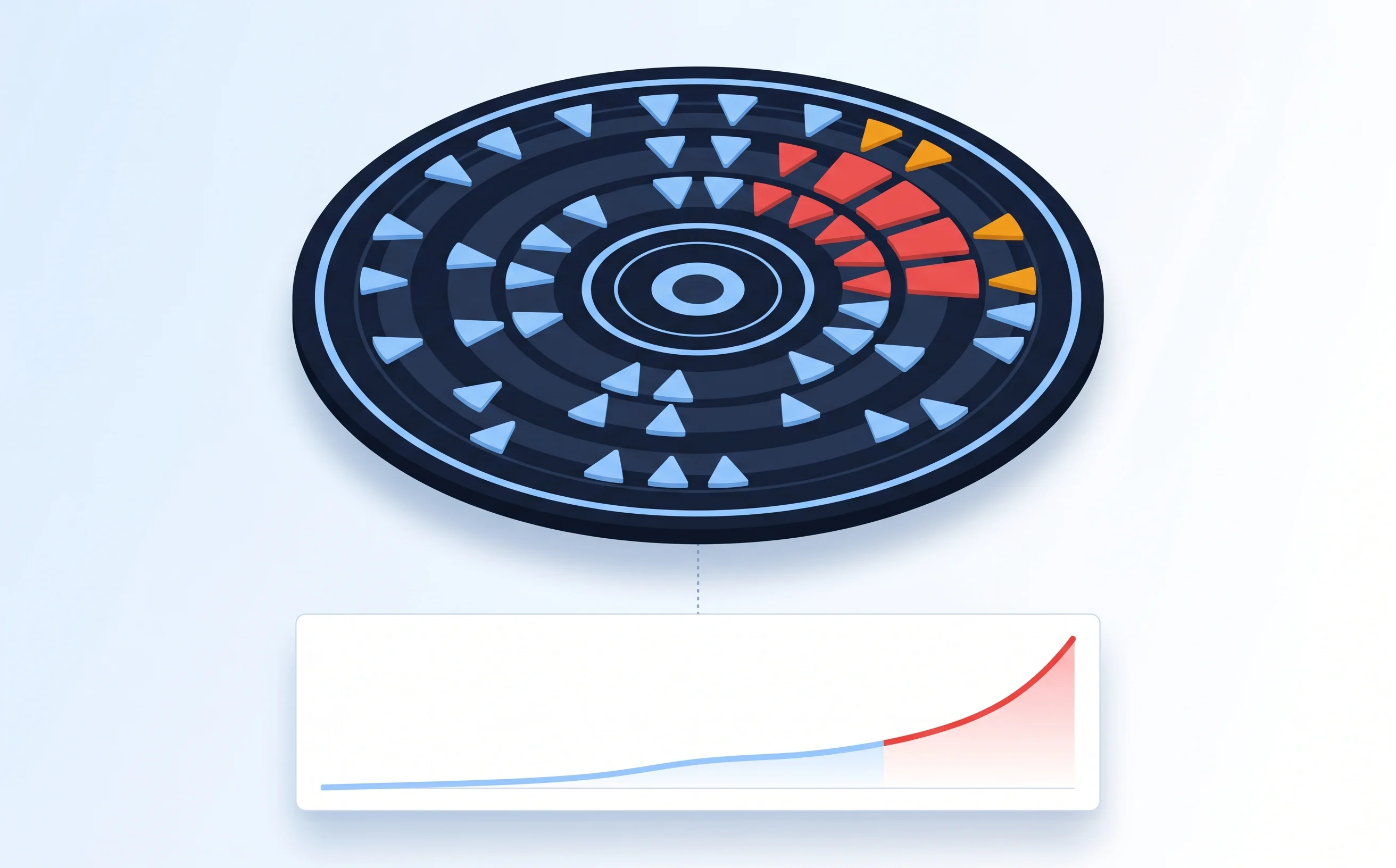
Bad-sector growth chart
Stable vs accelerating curve
Bad-sector growth trend for an NVR hard drive approaching its replacement threshold
Detection · 02

Bad Sector Detection & Growth

Surveillance HDD bad-sector detection catches the clearest early sign of a failing drive — and watches whether it's accelerating. Reallocated sector count and pending sector count are tracked on every drive, with alerts when they begin to grow and a separate critical alert if growth is accelerating. Because bad sectors corrupt recorded video, catching them early lets you replace the drive before recordings start to fail. Per-drive history graphs show months of trajectory.

NVR Health
RAID array health diagram
Degraded array with rebuild in progress
RAID array health and rebuild progress monitoring for NVR storage with degraded array alert
Detection · 03

RAID Array Health Monitoring

RAID monitoring for NVR owns the array layer most teams only check after something has already gone wrong. RAID 0, 1, 5, 6, and 10 status is tracked continuously, with an instant alert the moment an array degrades and live progress tracking during rebuilds. The critical add: if a second drive in the same array starts showing risk indicators during a rebuild — the RAID-5 danger window — Tentovision raises a dedicated alert so admins can act before the array goes down.

Multi-site monitoring
Drive temperature trend
Per-drive heat with throttle alert
Per-drive temperature trend with a thermal-throttling alert for NVR disks in a hot Indian server room
Operations · 04

Drive Temperature & Thermal Alerts

NVR disk temperature monitoring is not optional in Indian deployments, where ambient heat does much of the killing. Per-drive temperature is tracked with trend graphs, with India-aware thresholds tuned for 40°C+ summer ambient conditions and thermal-throttling detection when a drive starts slowing under heat. When NVR-room cooling is insufficient, the dashboard surfaces it before the drives themselves start to fail — actionable guidance, not just an alarm.

Remote CCTV Health
Drive lifespan calendar
6-12 month procurement forecast
Fleet drive-replacement calendar with per-drive urgency and 6-12 month procurement forecast
Operations · 05

Lifespan Prediction & Replacement Planning

HDD lifespan prediction for CCTV is the unique payoff — turning per-drive health into a fleet plan. Remaining-life estimation per drive (framed as early warning, not certainty) combines power-on hours, write workload against the drive's rated annual limit, error trends, and temperature history. The output is a fleet replacement calendar with a 6-12 month procurement forecast, staggered scheduling that prevents simultaneous failures, and budget forecasting for IT procurement teams.

Downtime Prevention
Centralized fleet view
Every drive across every site
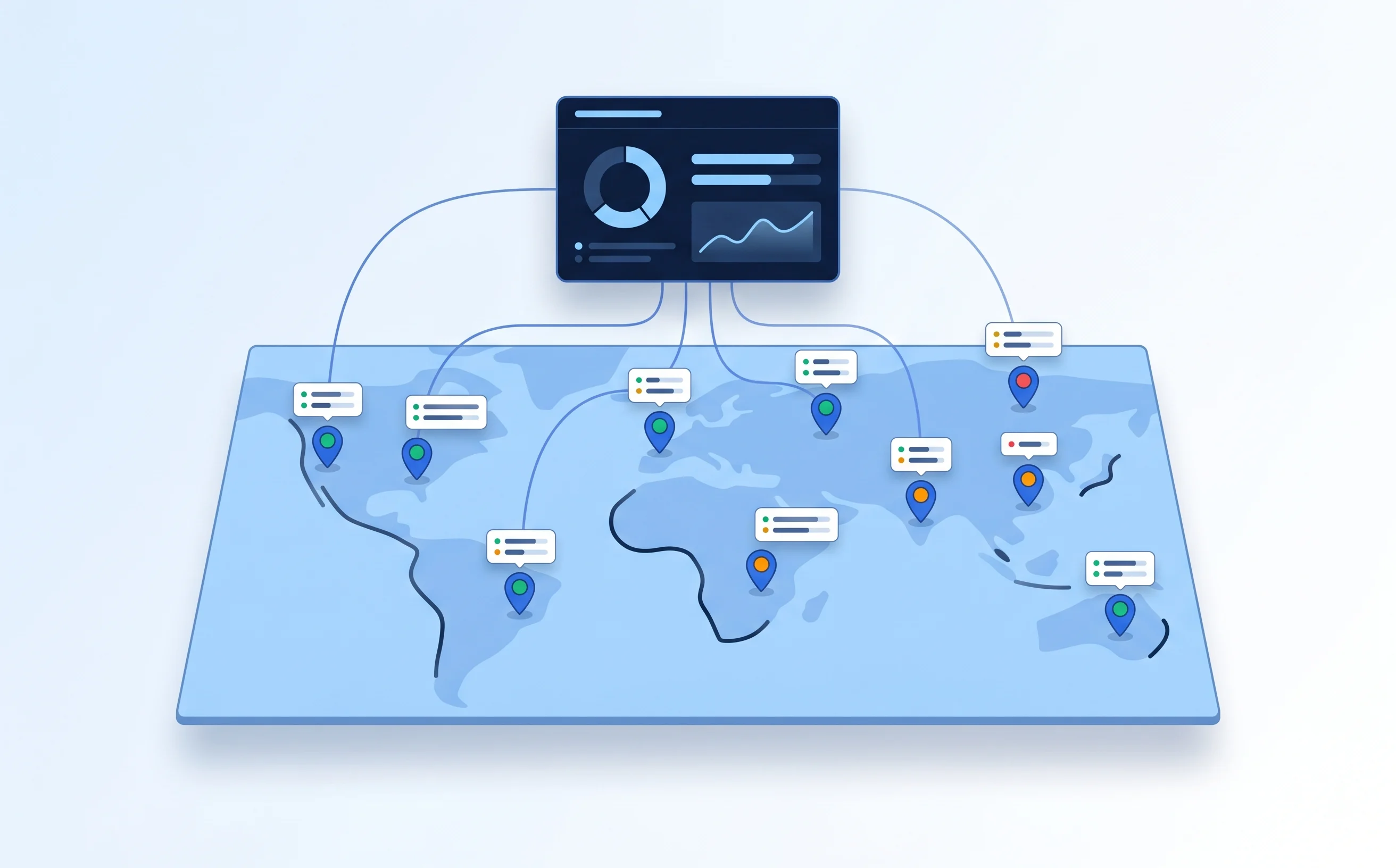
Centralized dashboard showing disk health for hundreds of drives across many NVR sites, ranked by risk
Operations · 06

Centralized Fleet Dashboard

Centralized NVR disk monitoring puts every drive across every site on one screen, colour-coded green/amber/red and with a clear state for already-failed drives. Drive inventory includes brand, model, capacity, serial, age, and site location — sortable by health score, temperature, age, remaining capacity. PDF storage-health reports for IT review, a mobile app for engineers on site visits, and onboarding via the Cloud Adapter to Microsoft Azure India.

Command Center
All six capabilities run on the same platform — and on the NVRs you already have. Start with a storage health assessment of one site, then scale across the fleet.
Works With Every NVR & Camera Brand

100+ camera brands, NVRs of every flavour, drives of every make

Tentovision is vendor-agnostic over ONVIF, RTSP, and standard storage APIs — the NVRs from these camera ecosystems plus their on-board drives (WD Purple, Seagate SkyHawk, Toshiba S300) are all monitored on the same dashboard. No rip-and-replace. No vendor lock-in.

HikvisionWorld #1Hikvision CCTV camera brand — works with Tentovision
DahuaGlobal Top 2Dahua CCTV camera brand — works with Tentovision
CP PlusIndian LeaderCP Plus CCTV camera brand — works with Tentovision
UniviewTier-1 ChinaUniview CCTV camera brand — works with Tentovision
Sparsh CCTVIndian OEMSparsh CCTV camera brand — works with Tentovision
HiFocusIndian BrandHiFocus CCTV camera brand — works with Tentovision
HikvisionWorld #1Hikvision CCTV camera brand — works with Tentovision
DahuaGlobal Top 2Dahua CCTV camera brand — works with Tentovision
CP PlusIndian LeaderCP Plus CCTV camera brand — works with Tentovision
UniviewTier-1 ChinaUniview CCTV camera brand — works with Tentovision
Sparsh CCTVIndian OEMSparsh CCTV camera brand — works with Tentovision
HiFocusIndian BrandHiFocus CCTV camera brand — works with Tentovision
AxisSwedishAxis CCTV camera brand — works with Tentovision
VivotekTaiwaneseVivotek CCTV camera brand — works with Tentovision
BoschGermanBosch CCTV camera brand — works with Tentovision
PelcoAmericanPelco CCTV camera brand — works with Tentovision
HoneywellAmericanHoneywell CCTV camera brand — works with Tentovision
TiandyChineseTiandy CCTV camera brand — works with Tentovision
AxisSwedishAxis CCTV camera brand — works with Tentovision
VivotekTaiwaneseVivotek CCTV camera brand — works with Tentovision
BoschGermanBosch CCTV camera brand — works with Tentovision
PelcoAmericanPelco CCTV camera brand — works with Tentovision
HoneywellAmericanHoneywell CCTV camera brand — works with Tentovision
TiandyChineseTiandy CCTV camera brand — works with Tentovision
Surveillance-Grade Drives

Understanding Surveillance Drive Failure

Surveillance hard drives are not desktop drives. Tentovision is built around what makes them different — and what makes them fail.

Drive Lifecycle

WD Purple · Seagate SkyHawk · Toshiba S300 — and the workloads that kill them

Surveillance-grade drives are engineered for 24/7 writes from many cameras, but they have a finite write-workload rating, and exceeding it accelerates wear. Tentovision tracks actual workload against that rated limit per drive. (All workload and MTBF figures below are verify-before-publish indicative ranges.)

  • WD Purple — typically rated ~180 TB/year workload (WD Purple Pro higher for heavy systems); built for 24/7 surveillance recording
  • Seagate SkyHawk — similar workload rating, with SkyHawk Health Management (SHM) firmware — a per-drive, OEM-aimed feature Tentovision complements with centralisation
  • Toshiba S300 — surveillance-optimised at ~180 TB/year; MTBF generally near 1–1.5M hours, ~3–5 year practical lifespan
  • Why surveillance drives fail: exceeded write-cycle limits at high camera count/resolution, heat in enclosed cabinets, power surges and fluctuations, vibration in multi-bay chassis, dust clogging ventilation
  • What Tentovision adds: reads the standard SMART attributes each of these drives exposes through the NVR — vendor-agnostic, centralised across the whole estate, complementing (not replacing) SHM / WDDA / OEM firmware

An honesty note: SHM and WDDA are excellent per-drive features but are per-vendor and aimed at OEM integrations. Tentovision is the centralised end-user layer above them.

Feature image — Three surveillance drives
(WD Purple, SkyHawk, Toshiba S300 lined up)
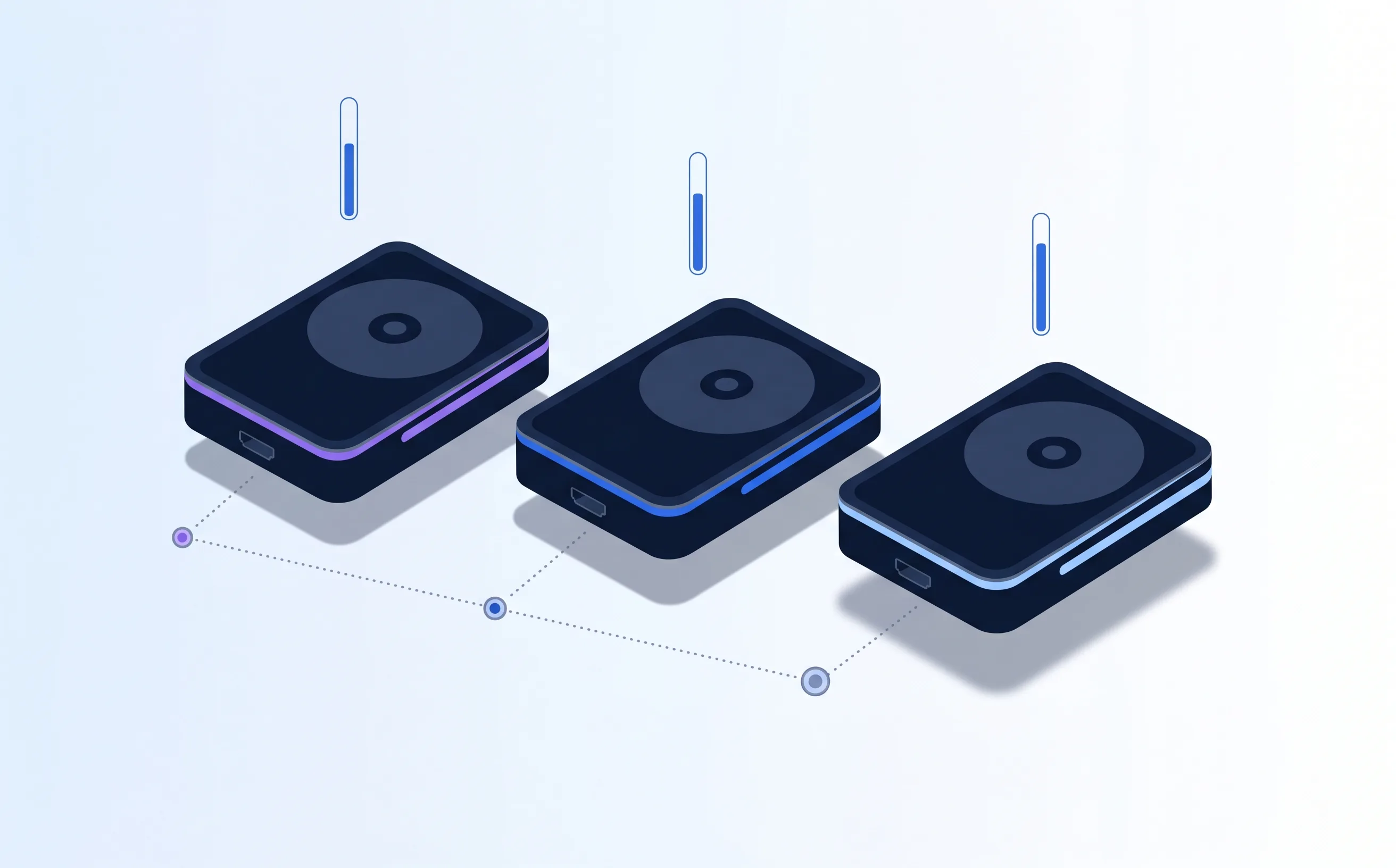
WD Purple, Seagate SkyHawk and Toshiba S300 surveillance drives lined up, the three commonly used in CCTV NVR storage
India-Specific Reality

40–48°C NVR rooms, power fluctuations, dust — drives die faster in India

Every spec-sheet MTBF assumes ideal conditions. Indian NVR deployments operate under conditions that significantly compress drive lifespan — and Tentovision's thresholds are calibrated for it.

  • Ambient heat 40–48°C in Indian summer drives internal disk temperatures past the ~55°C safety threshold, particularly in retail and manufacturing sites without dedicated NVR-room cooling
  • Power fluctuations in Tier-2 and Tier-3 cities cause sudden shutdowns and surge spikes that corrupt write cycles and physically damage drive electronics
  • Dust in industrial and outdoor-adjacent deployments clogs enclosure airflow, raising drive temperatures by 8–12°C above their natural operating range
  • Monsoon humidity in coastal cities (Mumbai, Chennai, Kochi) accelerates head and motor wear, particularly when combined with thermal cycling
  • Tentovision threshold tuning: alert thresholds are India-aware — temperature alerts kick in earlier than vendor defaults, workload alerts account for higher ambient stress, and the dashboard surfaces room-cooling problems before drives start failing in bulk

A foreign-built monitoring tool tuned for European data-centre conditions won't fire alerts until your drives are already cooking.

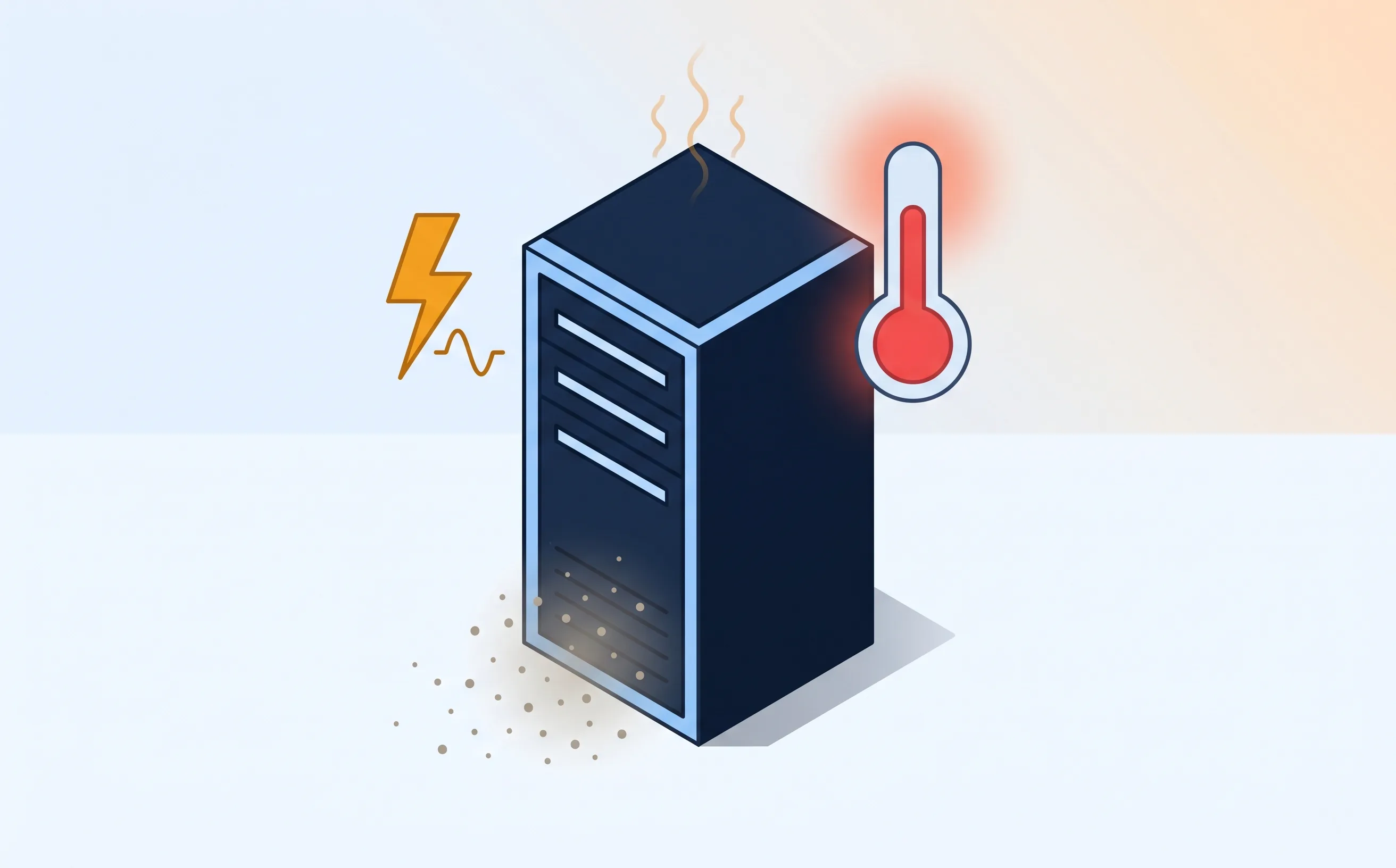
Feature image — Indian NVR cabinet
(thermometer, dust, fluctuating power line)
Indian NVR cabinet running hot at 42 degrees Celsius with thermometer, dust accumulation, and fluctuating power supply
Why Tentosoft

Why Storage & Surveillance Teams Choose Tentovision

The disk layer the NVR's dashboard doesn't watch and the drive OEM's firmware can't centralise — built and supported from India.

Vendor-Agnostic

Works with any NVR brand (Hikvision, Dahua, CP Plus, Uniview, Axis) and any drive brand (WD Purple, Seagate SkyHawk, Toshiba S300) over ONVIF, RTSP, and standard storage APIs. No lock-in.

Complements OEM Firmware

Seagate SHM and WD device analytics are per-drive, vendor-locked OEM features. Tentovision sits above them as the centralised end-user layer — same SMART data, vendor-agnostic dashboard.

Different Layer Than NVR Health

Your NVR can show online and recording while the drive inside is silently dying. Disk-level monitoring is the dedicated layer for that blind spot — see NVR Health Monitoring for the device layer.

Fleet-Scale Planning

Hundreds of drives across dozens of sites, one prioritised replacement queue. Procurement gets a 6–12 month calendar; field engineers get a mobile work-order app for site visits.

India-Aware Thresholds

40–48°C ambient, power fluctuations, dust, monsoon humidity. Tentovision's alert thresholds and lifespan calculations are tuned for the Indian operating reality, not European data-centre defaults.

Predictive, Not Just Reactive

Alerts weeks before a drive fails, not the day after. SMART trends, bad-sector growth rate, workload vs rated limit — all combined into a predictive risk score per drive, framed as early warning, not certainty.

The Complete Suite

Camera Health Monitoring — Five Layers, One Suite

Each layer watches a different part of the surveillance chain. This page covers disk-level diagnostics. For NVR device health, camera-offline detection, or end-to-end downtime prevention, see the sibling pages.

NVR Health tells you the recorder is working. HDD Failure Monitoring tells you the hard drive inside won't fail tomorrow. Together they eliminate the surveillance-storage blind spots that turn an incident response into "the footage doesn't exist".

Industries

Industries Where Disk Reliability is Non-Negotiable

Disk-level monitoring matters most where footage is evidence and recorders run hard. (Enterprise references shown with permission for prior deployments.)

Retail Chains

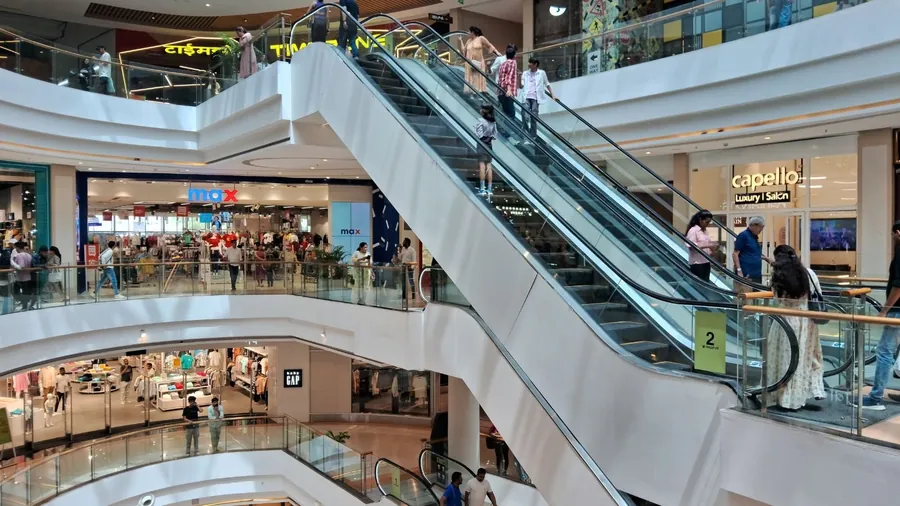
200+ NVRs with 400+ drives where loss-prevention footage is critical — a dead drive is a lost shoplifting case. (e.g. City Centre Mall.) See retail industry.

Manufacturing

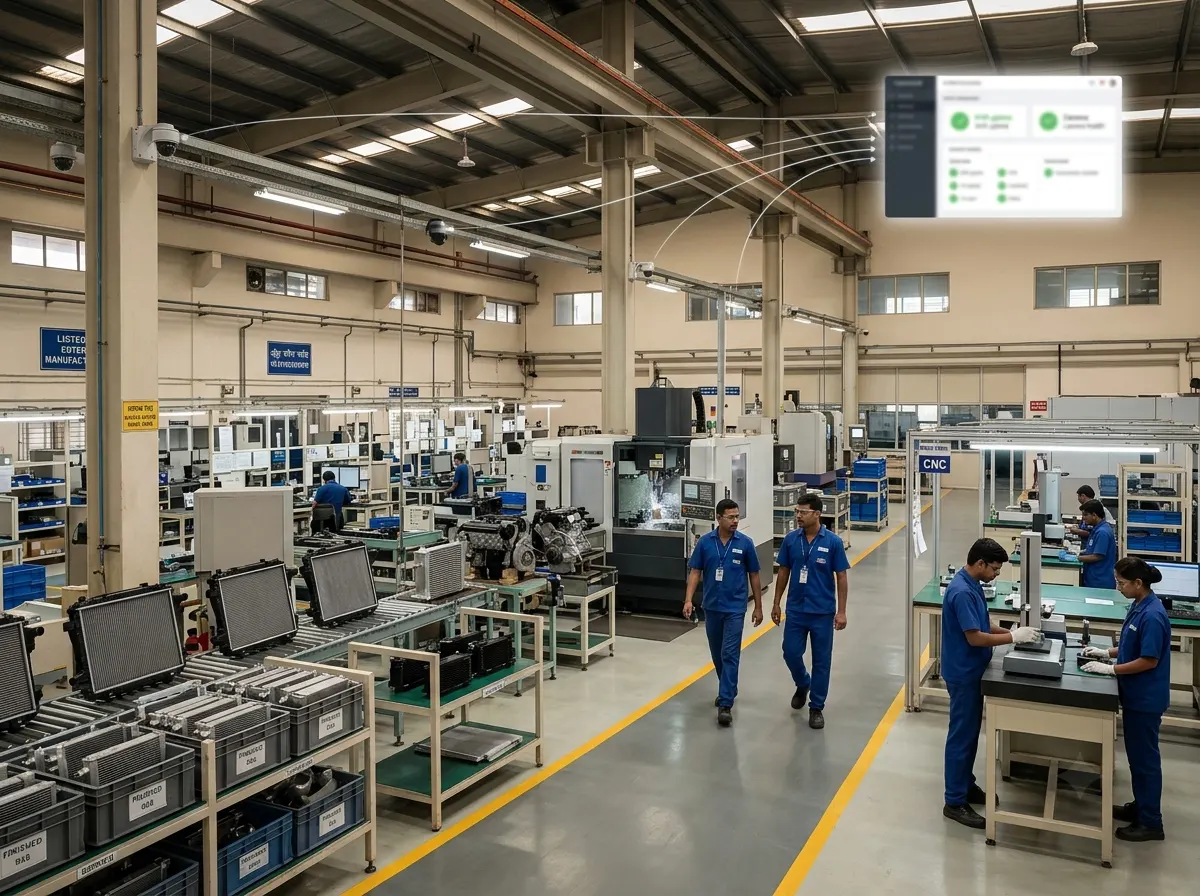
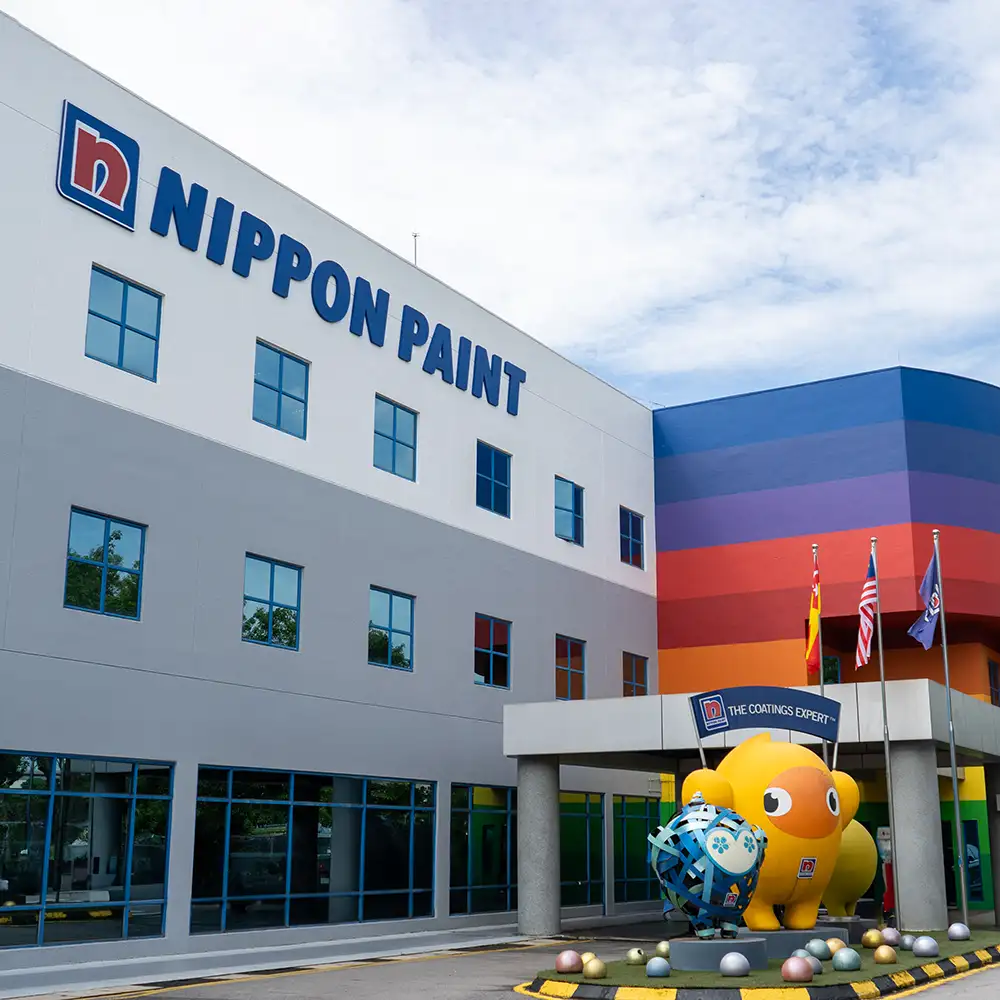
24/7 recording in hot, dusty plants that punish drives. Heat, vibration, power instability — all the things that kill surveillance HDDs at scale. (e.g. Nippon Paint.) See manufacturing industry.

Healthcare

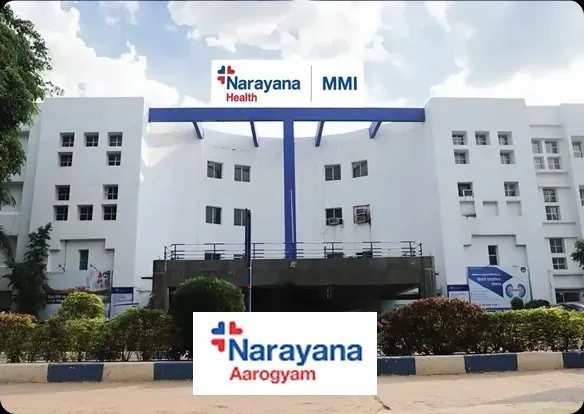
Medico-legal footage retention where compliance demands guaranteed recording across multi-hospital networks. A missing recording is a regulatory exposure. (e.g. Narayana Health.) See healthcare industry.

Banking & ATM Networks

Continuous recording is a regulatory requirement, and ATM-site NVRs run hot and unattended. A failed drive is a compliance violation — predictive monitoring is the only fleet-level answer.

Logistics & Warehousing

Dispatch-verification footage with drives under constant write load from 20–60 camera feeds. A drive failure during a high-volume shipping day means lost packing-verification proof. (e.g. YNT Supply Chain, Emerson.)

Education

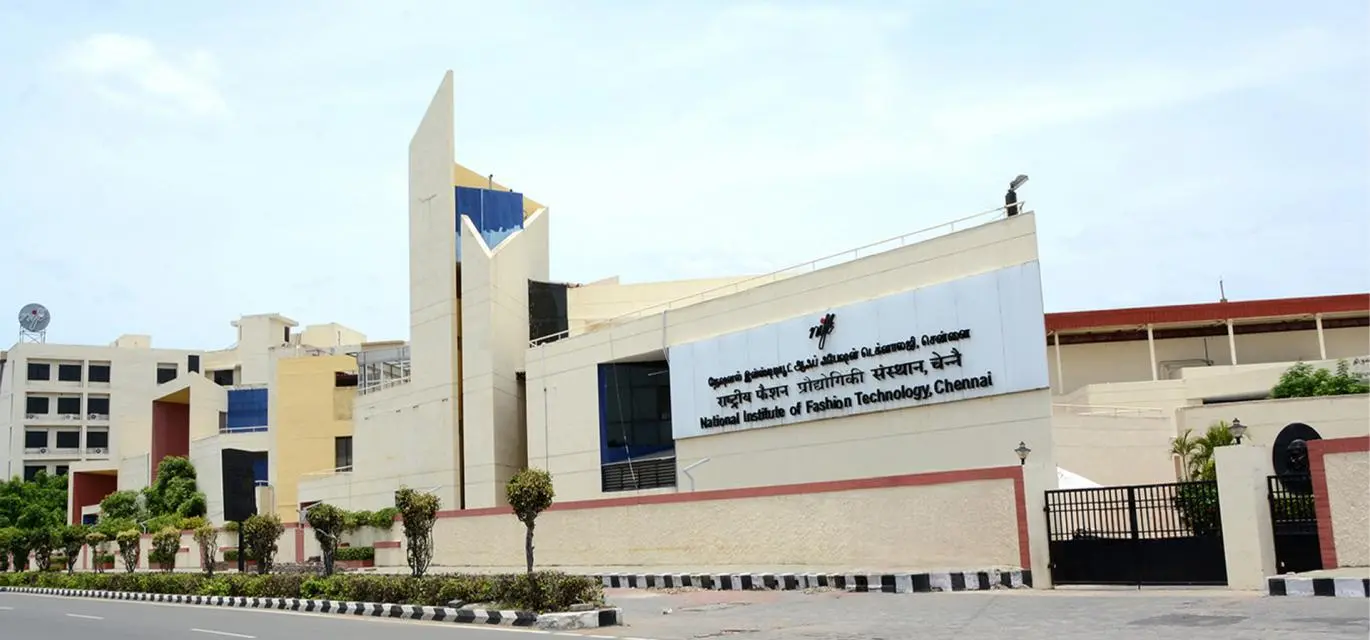
Campus-safety footage retention across multi-block deployments with limited IT staff to watch each drive. Centralised dashboard is the only way to keep ahead of an aging recorder estate. (e.g. NIFT Chennai.)

Comparison

Why Centralized HDD Monitoring Beats Manual SMART and OEM Firmware

Every approach catches something. Only one catches problems across an entire NVR fleet, across all drive brands, with predictive lifespan — on one screen.

Approach Multi-Site Multi-Brand Drives Predictive Workload Tracking RAID Alerts Fleet Planning
Manual SMART test (per NVR)NoYesNoNoNoNo
Seagate SkyHawk Health Mgmt (SHM)NoSeagate onlyLimitedLimitedNoNo
WD Device Analytics (WDDA)NoWD onlyLimitedLimitedNoNo
NVR vendor's built-in disk checkPer-NVRNVR-brand-lockedNoNoLimitedNo
Generic IT monitoring (Zabbix/etc.)YesYesGenericNoLimitedNo
Tentovision Centralized HDD MonitoringYesYesYesYesYes (+ rebuild)Yes (6–12mo)

Manual SMART per NVR finds problems on one recorder at a time, not at fleet scale. OEM firmware (SHM, WDDA) is per-drive and locked to a single vendor — useful at the drive level, useless across an estate with mixed brands. NVR-vendor disk checks are limited to one NVR brand. Generic IT monitoring lacks surveillance-specific tuning. Tentovision is the only approach that combines multi-site, multi-vendor, predictive, workload-aware, RAID-aware, and fleet-planning in one dashboard — built specifically for surveillance storage in Indian conditions.

Proven Technology · Verify Numbers

Storage Monitoring at Fleet Scale

HDD monitoring is built into the same Camera Health engine that powers Tentovision's enterprise deployments. (500+ deployments and 99.7% uptime figures shown verify-before-publish.)

Multi-hospital recording continuity

500+ cameras across multiple Narayana Health locations require guaranteed footage retention — the disk layer Tentovision watches under that camera fleet.

— Narayana Health, centralized VMS (verified with permission)

Hot-plant 24/7 recording at Nippon Paint

Manufacturing plants where ambient heat punishes drives — the same predictive HDD pipeline runs across these sites alongside fire-detection analytics.

— Nippon Paint India, manufacturing (verified with permission)

Multi-brand camera and drive compatibility

100+ camera brands across enterprise deployments, with the drives behind them — WD Purple, Seagate SkyHawk, Toshiba S300, mixed in real estates. One dashboard.

— Verified across enterprise deployments

The right way to start: a storage health assessment on one of your NVR sites. Tentovision pulls SMART, RAID, and temperature data from your existing drives, gives you a risk-ranked report of which drives need attention now and which need planning, and you decide whether to roll the platform across the fleet. You see real data on real drives before you commit.

CUSTOMER STORIES

Real deployments. Verified results.

From data centres to factories to hospitals to malls — real clients, real problems, real outcomes across India.

CASE 1 OF 6

CASE 01 NIFT Chennai campus
NIFT Chennai National Institute of Fashion Technology
CLOUD VMS EDUCATION ZERO HARDWARE

How NIFT Chennai eliminated local hardware with full cloud surveillance

DVR failures meant permanent footage loss. Cloud migration removed all local hardware and gave teams remote access from anywhere.

0

Hardware failures

100%

Cloud migration

0

Footage lost

Hardware maintenance burdenEliminated
Remote accessAnywhere, any device
Cloud uptime99.9%
Hardware dependency reduction100%
Storage scalabilityUnlimited
“All footage is safe on the cloud and our team can access it from anywhere. We’ll never go back to local hardware.”

— Head of Administration, NIFT Chennai

CASE 02 Narayana Health hospital
Narayana Health Healthcare · Multi-site CCTV
MULTI-SITE CCTV HEALTHCARE BRAND-AGNOSTIC

How Narayana Health unified CCTV across multi-brand hospital infrastructure

Multiple hospitals, different camera brands, no central view. One platform brought them together — without replacing hardware.

Multi‑site

Live monitoring

Any brand

Camera + NVR

Role‑based

Secure access

Hardware replacements neededZero
On-demand camera accessAny device
Multi-brand compatibility100%
Bandwidth optimisation60%+
Incident response speedInstant
“Tentovision gave us centralized live monitoring with controlled user access and efficient bandwidth usage.”

— Operations Team, Narayana Health

CASE 03 Nippon Paint manufacturing facility
Nippon Paint India Manufacturing · Edge AI
FIRE DETECTION SMOKE DETECTION PPE DETECTION

How Nippon Paint deployed edge AI for fire, smoke and PPE detection

A 2024 plant fire melted local DVR/NVR units. Tentosoft deployed on-premise edge AI for fire, smoke and PPE detection — with off-site backup.

<5s

Fire detection

Edge AI

On-premise

100%

Off-site backup

Detection layers deployedFire + Smoke + PPE
Footage survives hardware lossAlways
Fire detection speed<5 sec
Critical footage recovery100%
Audit & insurance readinessCompliant
“The fire destroyed our local recorders, but the centralized system saved all the footage. We’ve fully transitioned to AI-based safety.”

— Head of Safety Operations, Nippon Paint India

CASE 04 ETA Group high-footfall retail interior
ETA Group Retail · Smart security
MALL SECURITY ANPR INTRUSION AI

How ETA Group enhanced mall security and crowd management with AI

Manual monitoring led to blind spots, congested parking, and delayed incident response in a high-footfall environment.

ANPR

Auto vehicle tracking

Real‑time

Intrusion alerts

Live

Crowd analytics

Vehicle entry trackingAutomated
Mall-wide visibilitySingle dashboard
Vehicle automation100%
Crowd visibilityReal-time
Response time improvementFaster
“Tentovision’s AI analytics gave our team instant visibility into vehicles, crowd movement, and intrusions.”

— Security Operations Team, ETA Group

CASE 05 City Centre Mall premium retail environment
City Centre Mall Retail · Smart analytics
PEOPLE COUNTING PARKING ANALYTICS ANPR

How City Centre Mall optimised footfall and parking with AI analytics

IR-based counters gave inaccurate footfall data. Manual parking caused congestion. AI replaced both — and unlocked heatmap insights for retailers.

98%

Footfall accuracy

40%

Parking congestion cut

70%

Faster response

Heatmap zone analyticsActive
Blacklist vehicle detectionAuto-flagged
Footfall counting accuracy98%
Parking congestion reduction40%
Response time improvement70%
“TentoVision gave us visibility we never had before. We now run the mall like a data-driven business.”

— Mall Operations, City Centre Mall

Predictive
Failure detection
15+
SMART attributes
RAID 0/1/5/6/10
Array health
India-Aware
Thermal thresholds
Fleet-Wide
One dashboard
India
Based support

CUSTOMER REVIEWS

What clients say about us

From data centres to factories to hospitals to malls — real teams, real outcomes across India.

We had DVR failures almost every month and no way to check footage remotely. Tentovision solved both overnight. Nothing replaced, and now our entire campus is monitored from one app. Genuinely impressive.

NIFT Chennai

Head of Administration

NIFT Chennai · Education · Chennai

Monitoring CCTV across multiple hospitals and different camera brands was extremely complex. Tentovision gave us a single, secure view with controlled access and on-demand streaming — helping us reduce bandwidth and respond faster.

Narayana Health

Hospital Operations Team

Narayana Health · Healthcare · Pan India

Managing surveillance across multiple plants was chaotic with local NVRs. Tentovision’s VMS unified everything. Now we have a single, secure view of all operations from our head office — with edge AI for fire, smoke and PPE detection on every site.

Nippon Paints

Head of Safety Operations

Nippon Paints · Manufacturing · Pan India

Managing security in a high-footfall mall requires real-time visibility. With Tentovision’s ANPR, intrusion detection, and people counting, our team now operates proactively with faster response times and better situational awareness.

ETA Group

Security Operations Team

ETA Group · Retail · Chennai

The AI quality assurance system has transformed our packing accuracy. We went from multiple daily errors to near-perfect shipments. The real-time detection and instant alerts have saved us countless hours and prevented costly mistakes.

Oral-B

Operations Team

Oral-B · FMCG · Quality Assurance

Compliance

Surveillance Storage Governance

Disk telemetry, drive serials, and storage metadata are operational data — treated with the same care as the footage itself. Tentovision's controls are mapped to the frameworks that govern surveillance data in India.

DPDP Act 2023

Data privacy & governance compliant for surveillance metadata and storage telemetry.

ISO 27001 Aligned

Information-security practices mapped to ISO/IEC 27001 controls.

SOC 2 Aligned

Operational controls mapped to SOC 2 Type II principles.

VAPT Aligned

Internal vulnerability assessment and penetration testing programme.

Microsoft Azure India

Mumbai and Pune regions for data residency. AES-256 encryption at rest.
RBAC + Audit Trails

Role-based access control for storage-health data; every action logged.

Indian Data Residency

All disk telemetry stored within Indian jurisdiction by default.

Per-Project Attestation

Formal certification and audit documents issued per deployment on request.

FAQ

Frequently Asked Questions

The questions storage admins, CCTV system administrators, and IT infrastructure managers ask before rolling HDD failure monitoring across an NVR fleet.

What is HDD failure monitoring in CCTV systems?

HDD failure monitoring for CCTV is the continuous, predictive tracking of the hard drives inside NVRs and DVRs, using SMART attributes, bad-sector growth, RAID status, and disk temperature to detect a drive that is starting to fail before it stops recording. It gives surveillance and IT teams early warning and enough lead time to replace a dying drive on a planned visit, instead of discovering missing footage after an incident. Unlike a manual SMART test on a single recorder, it watches every drive across an entire NVR fleet from one dashboard.

Why do surveillance hard drives fail?

Surveillance drives fail because they do something desktop drives never do: write video continuously, 24/7, often from dozens of cameras at once, inside hot and dusty cabinets on unstable power. That constant write workload, vibration in multi-bay enclosures, and accumulated heat produce reallocated sectors, rising write-error rates, and eventually a write failure. In India, ambient heat of 40°C and above, dust, and power fluctuations accelerate all of this, which is why surveillance-grade drives and active disk monitoring matter so much.

How does SMART monitoring work for NVR drives?

SMART (Self-Monitoring, Analysis and Reporting Technology) is built into hard drives and exposes attributes such as reallocated sector count, pending sectors, spin-retry count, temperature, and write-error rate. Tentovision reads these attributes from each NVR's drives, trends them over time, and flags a drive when the values start drifting toward failure thresholds, weighting the rate of change rather than just the absolute number. Because SMART is probabilistic, it is best treated as early warning that buys time to act, not a guarantee of the exact failure moment.

Can it detect bad sectors before they cause recording loss?

Yes. Bad sectors show up in SMART as rising reallocated sector count and current pending sector count, and the system tracks those counts on every drive and alerts when they begin to grow. Because steady sector growth is one of the earliest signs of a failing surveillance drive, catching it early lets you replace the drive before bad sectors start corrupting recorded video. Historical per-drive graphs show whether the growth is stable or accelerating.

Does it monitor RAID arrays?

Yes. The system monitors RAID array health for NVR and storage-server setups, including RAID 0, 1, 5, 6, and 10, and reports when an array becomes degraded or a rebuild is in progress. A degraded array still records but has lost its redundancy, so it needs urgent attention before a second drive fails, and rebuilds themselves stress the surviving drives, which is exactly when monitoring matters most. Alerts let storage admins act during the vulnerable rebuild window.

How long do surveillance hard drives last?

Surveillance-grade drives such as WD Purple, Seagate SkyHawk, and Toshiba S300 are typically built for 24/7 operation and rated for a workload around 180 TB per year (verify per drive variant), with higher-workload variants like WD Purple Pro rated more, manufacturer MTBF figures near 1 to 1.5 million hours, and practical lifespans of roughly three to five years. Real-world life depends heavily on write workload, heat, vibration, and power quality, so a drive in a hot, busy, 64-camera NVR wears faster than one in a small, cool system. Tracking actual write workload against the drive's rated limit is the best way to estimate remaining life and plan replacement.

How is HDD failure monitoring different from NVR health monitoring?

NVR health monitoring tracks the recorder device — its CPU, memory, firmware, and whether it's online and recording. HDD failure monitoring tracks the physical hard drive inside that recorder — its SMART attributes, bad sectors, temperature, and remaining lifespan. Your NVR can be perfectly healthy while the drive inside it is dying, which is why the two are separate but complementary layers; the NVR Health Monitoring page covers the device layer.

Can I monitor drives across multiple NVR sites from one dashboard?

Yes. Centralized disk monitoring reads SMART and RAID data from the drives in every NVR across all your sites and presents it on one dashboard, so an admin managing hundreds of drives sees which ones are at risk without logging into each recorder. Drives can be ranked by risk and mapped to their site, turning thousands of individual disks into a single prioritised replacement plan. This fleet-level view is exactly what per-NVR manual SMART tests cannot provide.

Storage Health Assessment

Find the drives at risk in your fleet — before footage is lost

Tell us about your NVR estate. We'll set up a Storage Health Assessment of one of your sites — Tentovision reads SMART, RAID, and temperature data from your existing drives and gives you a risk-ranked report so you decide before committing.

1

Tell us your NVR fleet size

Number of sites, recorders per site, drive ages — rough numbers are fine. We tune the assessment accordingly.

2

30-minute consultation

Within one business day. We talk through your current monitoring approach, NVR brands, and storage layout.

3

Storage Health Assessment on one site

Tentovision connects to one of your NVR sites, reads SMART and RAID data, and produces a risk-ranked drive report.

4

You decide fleet-wide rollout

You see real data on your own drives before committing. Pilot deployments available. ROI based on prevented footage loss.

Direct contact
📞 +91 99620 37023
info@tentosoft.com
🏢 7th Floor, 4/293, RAR Technopolis, OMR, Perungudi, Chennai 600096

Book Your Storage Health Assessment

No commitment. Indian team, response within one business day.

DPDP Act 2023 compliant data handling
Your data stays in India — Microsoft Azure India regions
No spam, no resale — used only to schedule your consultation